4410 East Riverside Dr #150, Austin, TX 78741
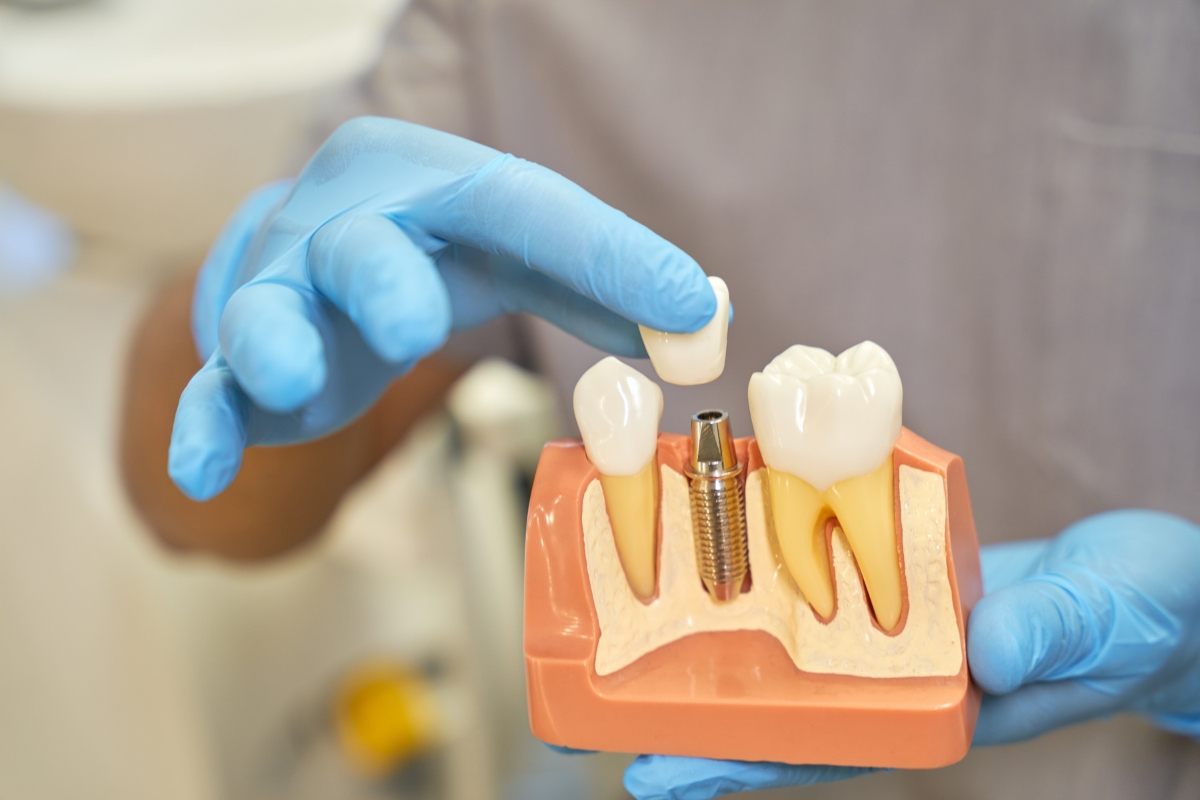
Dental implants have a success rate of over 95%, making them one of the most reliable solutions for replacing missing teeth. Yet for the small percentage of patients who experience complications, the disappointment can be significant, especially after investing time, money, and hope into the procedure.
If you’re researching dental implants Austin patients trust, you’re probably wondering what actually causes implants to fail and how you can avoid becoming part of that small percentage. The good news is that most implant failures are preventable with the right knowledge, the right dentist, and consistent aftercare.
This guide breaks down the most common causes of dental implant failure and offers practical prevention tips to help your implant journey go smoothly.
Understanding Dental Implant Failure
Dental implant failure happens when the implant doesn’t properly fuse with the jawbone (a process called osseointegration) or when complications develop after the healing period. Failure can occur early, within the first few months, or later, sometimes years after placement.
Knowing the warning signs and root causes empowers you to catch problems early and protect your investment.
Early Failure vs. Late Failure
- Early failure typically occurs within the first three to four months, often linked to poor bone integration or infection.
- Late failure can happen years later, usually due to gum disease, excessive force on the implant, or lifestyle factors.
Common Causes of Dental Implant Failure
1. Gum Disease (Peri-Implantitis)
Just like natural teeth, implants are vulnerable to infection in the surrounding gum tissue. This condition, known as peri-implantitis, is one of the leading causes of long-term implant failure.
Bacteria buildup around the implant can cause inflammation, bone loss, and eventually loosen the implant if left untreated.
2. Insufficient Bone Density
A successful implant depends on having enough healthy jawbone to anchor it securely. Patients with bone loss from long-term tooth absence, osteoporosis, or previous extractions may face a higher risk of failure.
This is why an experienced implant dentist will always evaluate bone density through imaging before recommending treatment, and may suggest a bone graft when needed.
3. Smoking and Tobacco Use
Smoking significantly reduces blood flow to the gums, slowing healing and increasing infection risk. Studies consistently show smokers face a notably higher implant failure rate compared to non-smokers.
If you’re a smoker considering implants, talk openly with your dentist about strategies to improve your outcome.
4. Poor Oral Hygiene
Neglecting daily brushing and flossing allows plaque and bacteria to accumulate around the implant site. Over time, this can lead to inflammation and infection that compromises the implant’s stability.
5. Bruxism (Teeth Grinding)
Excessive grinding or clenching places abnormal pressure on implants, which can cause the implant to loosen or the crown to fracture. Many patients aren’t even aware they grind their teeth until a dentist points out the wear patterns.
6. Underlying Health Conditions
Certain medical conditions can interfere with healing and osseointegration, including:
- Uncontrolled diabetes
- Autoimmune disorders
- Osteoporosis
- Conditions requiring certain medications, such as bisphosphonates
7. Improper Placement or Inexperienced Providers
The precision of implant placement matters enormously. An implant placed at the wrong angle, depth, or position can struggle to integrate properly or place unnecessary stress on surrounding structures.
This is one of the strongest arguments for choosing a skilled, experienced dental team rather than prioritizing the lowest price.
How to Prevent Dental Implant Failure
Prevention starts before your procedure and continues long after. Here are the most effective steps patients can take.
Before Your Procedure
- Choose an experienced implant dentist who uses advanced imaging for treatment planning
- Disclose your full medical history, including medications and existing conditions
- Address any active gum disease before implant placement
- Ask about bone grafting if imaging shows insufficient bone density
During Recovery
- Follow all post-operative instructions closely, including diet restrictions
- Avoid smoking during the healing period
- Attend all follow-up appointments so your dentist can monitor healing
Long-Term Maintenance
- Brush twice daily and floss around the implant site carefully
- Use an antimicrobial mouthwash if recommended by your dentist
- Schedule regular dental checkups and cleanings, at least twice a year
- Wear a nightguard if you grind your teeth
- Avoid chewing on hard objects like ice or pen caps
Why Choosing the Right Austin Provider Matters
Not all implant procedures are created equal. When researching dental implants Austin offices provide, look for practices that combine clinical experience with modern technology, such as 3D imaging and guided implant placement.
A thorough consultation should always include a review of your oral and overall health, imaging to assess bone structure, and an honest conversation about your risk factors. This upfront diligence is what separates a smooth, successful outcome from a complicated one.
At River Park Cosmetic & Implant Dentistry in Austin, TX 78741, our team takes a comprehensive approach to implant planning, from initial evaluation through long-term aftercare, to help every patient achieve lasting results.
Final Thoughts
Dental implant failure is uncommon, but understanding the risk factors puts you in a stronger position to protect your smile. From maintaining good oral hygiene to choosing an experienced provider, small proactive steps make a meaningful difference.
If you’re considering implants or have concerns about an existing one, don’t wait for small issues to become bigger problems. Schedule your appointment today with River Park Cosmetic & Implant Dentistry to get a personalized evaluation and a treatment plan built around your unique needs.
Questions Austin Patients Often Ask
How long does it take to recover from dental implant surgery?
Most patients return to normal activities within a few days, though full osseointegration can take three to six months depending on individual healing.
Can a failed implant be replaced?
In many cases, yes. Once the underlying cause is addressed, such as infection or insufficient bone, a new implant can often be placed successfully.
Does insurance typically cover dental implants?
Coverage varies widely by provider and plan. Many Austin dental offices offer financing options to help make treatment more affordable.
Is implant surgery painful?
Most patients report only mild discomfort, similar to a tooth extraction, that’s manageable with over-the-counter or prescribed pain relief.
How do I know if my implant is failing?
Watch for signs like persistent pain, swelling, gum recession around the implant, or a feeling of looseness. Contact your dentist promptly if you notice any of these symptoms.
What makes someone a good candidate for dental implants?
Good candidates generally have healthy gums, adequate jawbone density, and manageable overall health. A consultation with imaging is the best way to confirm candidacy.