4410 East Riverside Dr #150, Austin, TX 78741
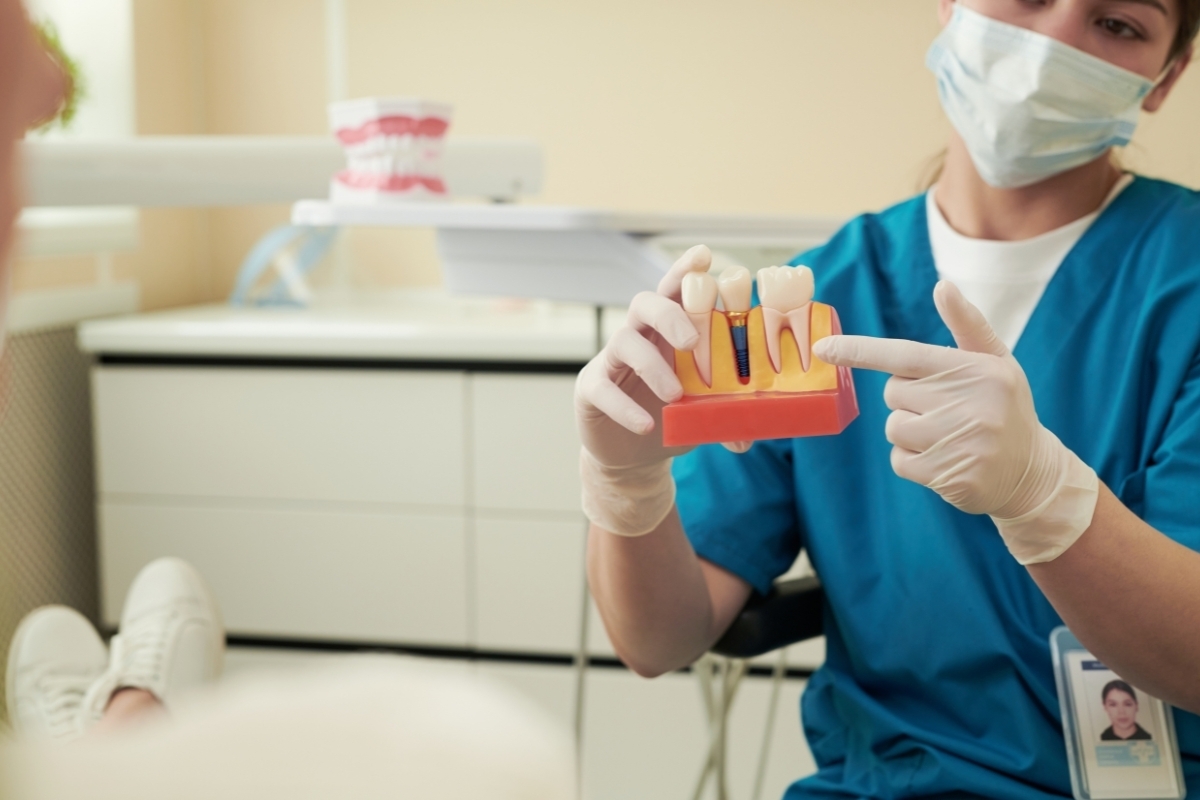
Just had your implants placed and wondering what’s actually safe to put on your plate tonight? You’re not alone. One of the most common questions patients ask right after Dental Implant Surgery is simple: “What can I eat, and when?”
Getting this right matters. The food choices you make in the days following your procedure directly affect how well your implants heal, how much discomfort you experience, and how quickly you get back to your normal routine. Eat the wrong thing too soon, and you risk irritating the surgical site or even disrupting the healing process.
The good news? With a little planning, eating after implant surgery doesn’t have to be stressful. In this guide, our team at River Park Cosmetic & Implant Dentistry breaks down exactly what to eat, what to avoid, and how to make the healing process as smooth as possible.
Why Diet Matters So Much After Dental Implant Surgery
Your mouth needs time and the right conditions to heal properly after implant placement. The gum tissue around the implant site is delicate, and the jawbone is in the early stages of fusing with the implant post, a process called osseointegration.
Eating the wrong foods too early can:
- Irritate or reopen the surgical site
- Increase swelling and discomfort
- Raise the risk of infection
- Slow down the healing timeline
That’s why any reputable dentist Austin patients trust will walk you through a clear eating plan before you even leave the office.
What to Eat Immediately After Surgery (First 24–48 Hours)
Stick to Soft, Cool Foods
Right after your procedure, your mouth will likely feel numb, tender, or swollen. This is the time to keep things simple and gentle.
Good options include:
- Smoothies (without seeds or a straw sipping through a straw can disrupt healing)
- Mashed potatoes
- Yogurt
- Applesauce
- Blended soups (lukewarm, not hot)
- Scrambled eggs
Avoid Hot Temperatures and Straws
Hot foods and drinks can increase blood flow to the area and worsen swelling. Straws create suction that can dislodge healing tissue, so it’s best to avoid them for at least a week.
Days 3–7: Transitioning to Semi-Soft Foods
As swelling goes down and you start feeling more comfortable, you can slowly introduce foods with a bit more texture.
Foods That Work Well
- Soft pasta
- Well-cooked vegetables
- Oatmeal
- Soft fish
- Ripe bananas
- Cottage cheese
Chew Away From the Surgical Site
Even with softer foods, try to chew on the opposite side of your mouth from the implant. This small habit can prevent unnecessary pressure and speed up recovery.
Foods and Habits to Avoid During Recovery
Certain foods and habits can seriously set back your healing process after Dental Implant Surgery. It’s worth being extra cautious during the first two weeks.
Foods to Skip
- Crunchy items like chips, nuts, and popcorn
- Sticky foods such as caramel or chewing gum
- Spicy dishes that can irritate healing gum tissue
- Acidic foods and drinks (citrus, tomatoes, soda)
- Alcohol, which can interfere with healing and medication
Habits to Avoid
- Smoking or vaping (significantly increases implant failure risk)
- Using a straw
- Chewing directly on the implant site too soon
- Skipping meals, which can slow overall recovery
Long-Term Eating Guidelines for Implant Success
Once your implant has fully healed and integrated with your jawbone typically a few months down the line you can gradually return to a normal diet. However, maintaining good habits helps protect your investment for years to come.
Tips for Long-Term Implant Care
- Continue chewing hard foods (like ice or hard candy) with caution
- Maintain excellent oral hygiene around the implant
- Attend regular checkups with your dentist Austin team
- Stay hydrated to support healthy gum tissue
Following these guidelines doesn’t just support healing it helps your implant function like a natural tooth for the long haul.
How River Park Cosmetic & Implant Dentistry Supports Your Recovery
At River Park Cosmetic & Implant Dentistry in Austin, TX 78741, we know that recovery looks different for every patient. That’s why we provide personalized aftercare instructions tailored to your specific procedure, whether it’s a single implant or a full-mouth restoration.
Our team walks you through every stage of recovery, answers your questions along the way, and stays available if anything feels off. Comfortable, confident healing is just as important to us as a successful surgery.
Common Patient Questions
How long until I can eat normally again?
Most patients return to a fairly normal diet within 2–3 weeks, though full healing around the implant can take a few months. Your dentist will guide you based on your specific case.
Can I drink coffee after implant surgery?
It’s best to avoid hot coffee for the first 24–48 hours. Once swelling subsides, lukewarm coffee is usually fine, but avoid using a straw.
Is it normal to lose a little weight during recovery?
A slight, temporary dip in appetite or intake is common due to swelling and diet changes. It typically resolves once you resume regular eating.
What if I accidentally eat something too hard?
Don’t panic. Rinse gently with warm salt water and monitor for pain or swelling. If discomfort persists, call our office right away.
When can I go back to my usual exercise and eating routine?
Most patients feel comfortable resuming normal activity and meals within one to two weeks, but always follow your dentist’s personalized timeline.
Do I need special foods if I have multiple implants?
Yes, patients with multiple implants or full-arch procedures often need a longer soft-food phase. Your dental team will provide a customized plan.
Ready for a Smooth, Comfortable Recovery?
Eating the right foods after Dental Implant Surgery plays a bigger role in your recovery than most people realize. With the right approach, you can heal comfortably, avoid complications, and enjoy long-lasting results.
If you’re considering implants or have questions about post-surgery care, our experienced team is here to help. Schedule your appointment today with River Park Cosmetic & Implant Dentistry in Austin, TX 78741, and take the next step toward a healthier, more confident smile.